
Born without Boundaries: 20+ AI-animated stories from talking-head tarot
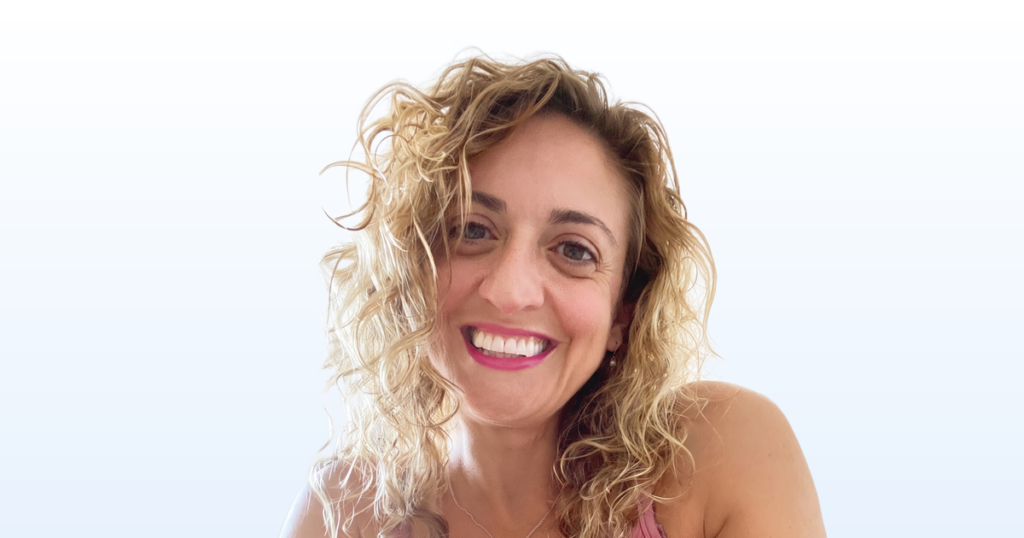
Born without Boundaries makes tarot readings. The footage is a person talking to camera about what the cards mean this week. There is nothing else in the frame.
Over three months I turned those readings into 20+ short animated stories, generating the imagery that the footage does not contain.
When there is no b-roll and there never will be
A tarot reading is narratively rich and visually static. The reader describes a struggle, a turning point, a resolution. None of it is on screen, because none of it is filmable.
Normally you solve a talking-head problem with b-roll, stock, or archive. None of that works here. Generic stock footage under a personal spiritual reading is worse than nothing, because it reads as filler and undercuts the sincerity the entire format depends on.
So the visuals had to be made, and they had to be made for these specific words.
How the AI imagery actually got used
Generate to the sentence, not the theme
The failing version of this is generating a set of pretty mystical images and cutting them in wherever there is a gap. It looks like a screensaver and it drifts out of sync with the meaning within seconds.
Each image had to correspond to the specific beat being narrated at that moment. When the reading turns from difficulty to relief, the image turns with it, on that word. That synchronisation is the whole effect, and it is the part that takes the time.
One visual world per video
Generated images drift in style very easily, and a Short that changes visual language halfway through feels broken even to a viewer who cannot say why.
I locked a palette and a rendering style per reading and generated everything inside it, discarding images that were individually better but inconsistent with the set. Coherence beat quality on every single choice.
The animation carries the pacing
Static generated images cut together are a slideshow. Adding motion, and matching the speed of that motion to the cadence of the reading, is what turns a sequence of pictures into something that feels authored.
On using AI for this
I use AI where it earns its place, and this is a clean case: the imagery could not have been filmed, stock would have been dishonest, and commissioning illustration for 20+ weekly Shorts is not economically possible for a creator at this size.
The judgement about which beat gets an image, and what that image needs to convey, is not automated. That is the editing, and it is the part that makes the difference between a story and a slideshow.
Result
20+ animated short stories over three months, built from footage that contained no visuals at all.

Thank you so much, this is the most adorable thing I’ve ever seen.
Born without Boundaries
Tools
Premiere Pro and After Effects for assembly, Higgsfield and Gemini Nano Banana for image generation.
If your content is you talking and you have run out of things to put on screen, book a call.
Want results like this from your own long-form content?
Book a callMore from the Blog
An unsolicited edit sent to GMHikaru, published on the channel, around 120K views. One clip, one week, and an honest account of what that does and does not prove.
Six months and 100+ clips for a chess coaching brand, where the usual open-loop tactic would have damaged the product the clips were promoting.
Three months turning a family vlog back catalogue into 60 Shorts a month, where the bottleneck was finding the moments rather than cutting them.